Where this decision really shows
A fencing lives hard. Sun bakes it, wind pushes it, sprinklers soak it, canines evaluate it, and gravity is always trying to find an excuse. The option in between fencing installers stress dealt with ache and cedar shows up a year later when a gateway still swings true, five years later on when rails haven't cupped, and fifteen years later when blog posts are still limited in their outlets. I have actually changed plenty of fences that failed not as a result of bad installment, but due to the fact that the incorrect product was paired with the incorrect website. That is the choice this overview intends to sharpen.
If you are the homeowner speaking with a Fencing Contractor or a fence installer laying out a quote on a tailgate, you already know the question: dealt with or cedar? The short response is that both win, relying on top priorities. The long response takes a little dirt-under-the-fingernails detail.
What we imply by "treated" vs. "cedar"
Pressure dealt with lumber in the majority of domestic backyards is southern yellow pine that has been instilled with a preservative under stress. For years, CCA was the standard, then regulations moved the household market to ACQ, CA, and MCA formulas. Every one of them resist rot and pests. The tag matters. "Ground contact" rated worldly obtains a higher chemical tons than "above ground," which ranking must cause your post choice. You will additionally see KDAT - kiln dried out after therapy - which costs a lot more however moves much less as soon as installed.
Cedar, in this context, normally suggests Western Red Cedar for pickets and imprison much of the USA, though Northern White Cedar turns up partially of the Midwest and Northeast. Cedar is naturally rot and bug resistant because of its extractives. It is lighter than ache, scents like a woodland when you cut it, and oils or stains magnificently. It does not need chemical therapy to last as a fencing board, though cedar posts in wet dirt can still rot out prior to the panels fail.
Pressure dealt with lumber leans on chemistry. Cedar leans on biology. They arrive at similar lifespans when well developed, however they take various courses to get there.
How each behaves once it hits weather
Movement is the very first thing a seasoned fencing installer look for. Treated yearn typically arrives damp from the therapy cylinder. If you screw wet boards limited together on a warm day, they will shrink and leave voids. If you install them too loose, those spaces grow into a peek-through and the dog following door obtains a brand-new hobby. Treated rails and posts additionally tend to turn as they dry if the grain cuts loose. KDAT boards, or allowing stock accustom for a week stacked with sticker labels, assists a lot.
Cedar reveals a different individuality. It is a lot more dimensionally secure and typically sold closer to balance wetness. It takes bolts easily and resists splitting if you pre-drill near sides. You will certainly still see some cupping in large boards, and lower grades can feather on the edges, but movement is gentler and a lot more predictable. On a lengthy warm run, a cedar fence commonly looks straighter to the eye 2 summer seasons later.
Rot and pests inform a 2nd tale. Ground contact treated articles hold up extremely well in moist soil. I have drawn fifteen-year-old treated articles that still really felt stubborn down reduced while the rails surrendered first. Cedar pickets withstand decay al fresco much better than ache pickets do without therapy. In color where fencings never totally completely dry, cedar skin remains cleaner. Pressure treated pickets can welcome surface mold that leaves an environment-friendly tint the very first year. It cleans off, but the appearance bothers some owners.
Impact resistance can prefer cured yearn. Pine fibers are harder in bending, which is valuable for rails taking a soccer sphere, and for gates that see a great deal of slam. Cedar dents a lot more quickly and can fracture if a knot aligns with a screw in a high-stress factor. Great grading and layout stay clear of that, however it is worth keeping in mind when you intend a driveway entrance or a high privacy run in a windy corridor.
Posts, rails, and pickets do not need to match
Many Fencing Contractors push a hybrid that works: dealt with posts and rails with cedar pickets. The messages get the chemical shield where it matters most, down in the red. The cedar skin obtains you the look and long surface area life you desire. I have fencings with that formula still standing right after 18 to two decades with just 2 stain cycles.
Another mix is steel messages with cedar rails and pickets. That eliminates wood from dirt completely. Steel post sleeves or face boards maintain the aesthetic warm. If you are a Fence Company bidding seaside or flood-prone work, this hybrid ends up being routine.
All-cedar, including blog posts, still makes good sense on well-drained sites with excellent airflow where the owner is significant concerning upkeep. It mounts quickly, looks great right now, and considers less, which matters if your team is dragging material up a hillside.
All-treated buildings win for budget personal privacy or where heavy misuse is expected, as an example behind a commercial great deal or around a kennel. If you lean dealt with, ask for KDAT on the visible boards or intend your gaps carefully.
Fasteners and equipment are not a location to save
The preservative chemistry in ACQ and CA treatments is rough on metal. Requirement electro-galvanized screws or thin hot-dip finishings stop working early. Ring-shank nails work, but on treated want they should be hot-dip galvanized or stainless. For screws, layered exterior screws ranked for ACQ or 305/316 stainless provide you the least dramatization. If you are a fencing installer near salt air, jump to stainless and do not recall. I have replaced hinges and locks on coastal cured fences in under 3 years when the incorrect steel was used.
Cedar is much less harsh, yet its tannins still black-streak economical bolts. Stainless avoids that and maintains the face tidy when tarnish ages. If you use a black powder-coated steel frame for gateways, seal any kind of area cuts and touch-up the powder prior to hanging boards, or else corrosion finds the bare sides first.
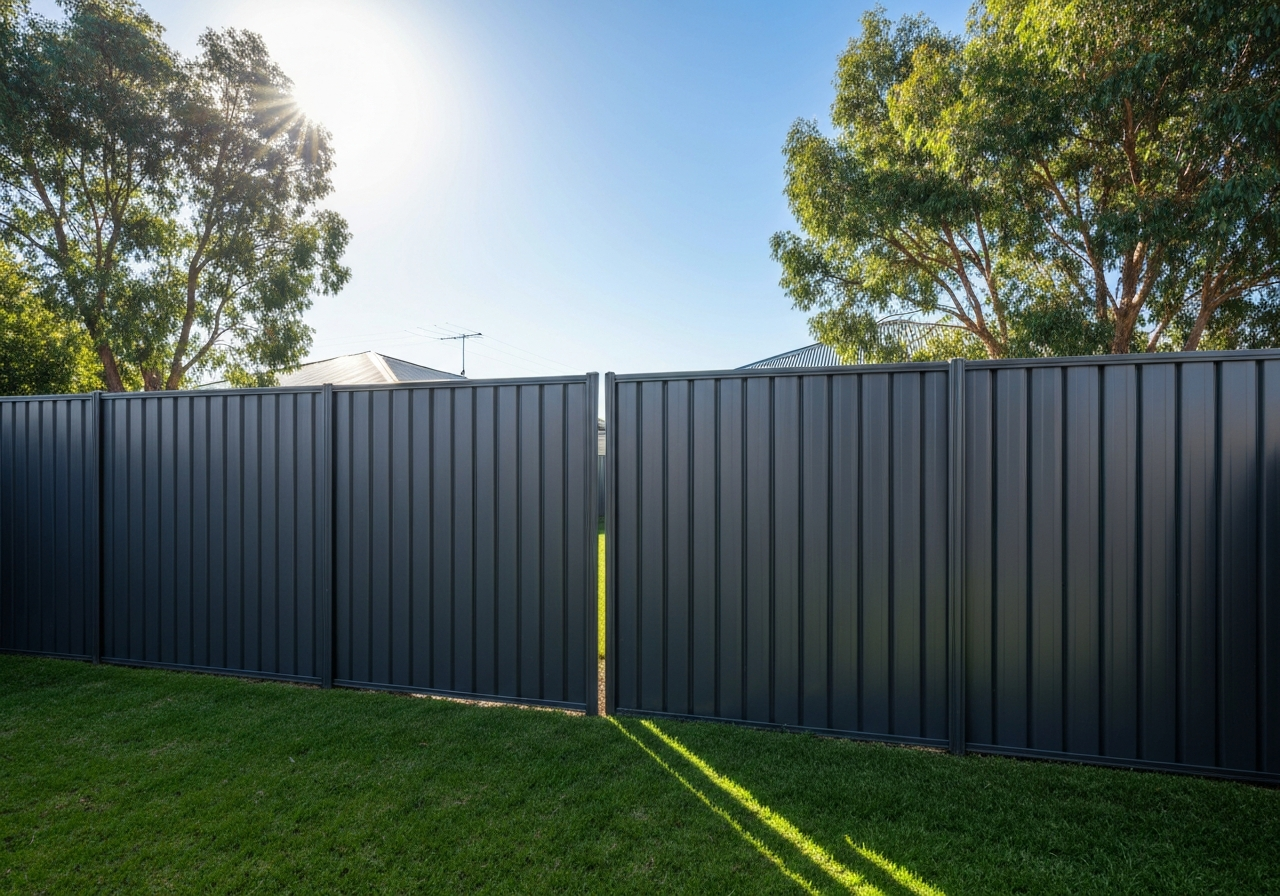
Hardware sizing issues as long as product. Gate hinges should be ranked for a minimum of two times eviction weight. Use 3 inch to 3.5 inch screws for rails into articles, longer if a face board includes deepness. For pickets, 1.75 inch to 2 inch bolts maintain factors from poking via, particularly on thinner cedar boards. Pre-drill near ends to stay clear of divides, particularly in winter.
Finish and maintenance cycles, realistically
Left raw, both treated pine and cedar go silver grey. Cedar does it handsomely. Dealt with pine often tends to blotch and holds a green actors prior to it settles. Clear sealants sluggish water uptake yet do little bit for UV, so color changes still occur. Semi-transparent oil discolorations work magic on cedar, highlighting grain while securing. On dealt with pine, a strong shade acrylic can even out the appearance and last a period or 2 longer between coats.
Timing matters. Dealt with lumber gets here wet. Place a decline of water on a board. If it grains, wait. If it soaks in within a minute, stain will certainly bond. In many environments that home window opens up 2 to 12 weeks after set up, faster for KDAT. Cedar will certainly take discolor nearly immediately. I prefer to stain cedar after gateways are hung and final cuts are made so every brand-new side obtains sealed.
Maintenance frequency depends on sun and water. Full-sun south-facing runs consume finish. Plan on 2 to 3 years for semi-transparent and 3 to 5 for strong shades in extreme sunlight. Shielded, breezy sides can increase that. Power clean delicately, no closer than 18 inches with a fan suggestion, and stay clear of elevating the grain. A light oxalic clean brightens cedar nicely before re-coating.
Cost fact from the field
Prices visit region and period, however ballpark numbers keep estimates honest. On materials alone, dealt with want pickets typically run 20 to 40 percent less costly than cedar pickets of comparable measurement and grade. On mounted cost per direct foot for a 6 foot privacy fencing, expect dealt with in the 20 to 35 buck array, cedar in the 30 to 55 dollar range, snappy, terrain, and gateway matter all pushing the final.
KDAT dealt with boards add a premium. Steel blog posts add more up front however deduct future headaches. Stainless fasteners add a pair hundred dollars on a regular lawn, inexpensive insurance over a years. A great Fencing company will certainly reveal these as alternatives in the quote and explain where the cash goes. If a cost appears as well good, it typically conceals thin pickets, light rails, or cut-corners on hardware.
Maintenance expense belongs in the formula. Budgeting a stain cycle every couple of years on cedar may bring its life time expense near treated, which needs much less early finishing but can need earlier picket replacement. A lot of proprietors select by look. The numbers have a tendency to warrant either choice if the fence lasts as long as it should.
Climate and site variables that change the answer
Soil that remains damp half the year begs for ground-contact treated articles or steel. Splash areas near sprinklers grow mold. Either adjust heads to keep fences completely dry or choose coatings and materials that brush off damp. High-wind corridors push you to sturdy rails, tighter message spacing, and possibly a board-on-board pattern that breaks gusts. In snowy areas, keep the bottom picket or rail off grade by at the very least 2 inches so melt does not wick up right into end grain.
Intense sun punishes finish more than timber. Cedar handles UV much better visually. Dealt with can be subjugated with a solid stain that you are willing to reapply. Coastal salt air needs stainless fasteners. Inside deserts need movement allocations. I leave a hair more gap between treated pickets when moisture is low to prevent buckling in a freak monsoon.
Pets and yards matter more than individuals admit. Pet dogs lean, dive, and scratch at latches. Go dealt with on rails and posts for muscle mass, after that face in cedar if you want the appearance. If a vegetable bed abuts the fencing, some owners like cedar pickets to avoid any type of chemical contact from treated ache, even if the actual danger is reduced. Regard that choice and set out accordingly.
Design and design outcomes
Cedar's grain and shade variety invite patterns. Rotating board sizes, straight formats, mounted panels, and basket-weave sections all look intentional in cedar. It takes a routered edge well and ends up in tones that complement modern-day and rustic homes alike. If an HOA desires a superior look at the street, cedar pays back in aesthetic appeal.
Treated ache excels at basic and solid. Dog-ear personal privacy, shadow box for air movement, ranch-rail around property - all look clean and take a beating. Treated blog posts take care of arbors and pergola linkups without worry about hidden decay. If you are developing a future over unequal ground, treated rails can bend a little bit more without snapping.
Gates are their very own pet. A cedar-faced gateway on a steel frame remains square with less weight. A treated want gateway, properly supported and held on serious joints into a treated or steel blog post, takes misuse from children and freight shipments. I typically define a steel framework in either case on anything larger than 42 inches.
Installation tactics that change with material
With treated, plan for shrink. Install pickets tight but plumb, recognizing a credit-card space appears as they dry out. Orient crown up on rails so water sheds. If boards are dripping-wet on a summer season set up, pre-select straighter grain boards for essential faces and stack the wild stuff in much less noticeable stretches. Where cupping can trap water, face cups internal on a board-on-board pattern to hide shadows.
With cedar, side distances and knots deserve interest. Pre-drill at ends and near knots. Usage two fasteners per rail per picket to stay clear of turning over time. For silent lines, swap to screws along shared patios and bedrooms. Cedar cuts cleaner, so scribe a stepped profits along inclines instead of stair-stepping panels when personal privacy matters.
Post depth does not transform by types. A good guideline is one third of the fence elevation in the ground, typically 24 to 30 inches for a 6 foot panel, much deeper in frost areas. Bell out the base of the opening, tamp a crushed rock pad under the post, and crown the concrete top so water sheds. On clay, provide water a course out of the hole. On sand, take into consideration a Sonotube to reduce wash-in and maintain plumbs true.
Longevity you can really expect
Numbers rely on site and treatment. On respectable soil with ground-contact cured blog posts, a cured pine privacy fencing can go 12 to 20 years prior to substantial panel work is needed. Numerous make it much longer with timely tarnish and equipment refresh. Cedar pickets usually last longer than treated ache pickets, often 15 to 25 years if completed and cleansed. Cedar messages vary extensively. In ventilated, drained pipes beds, 10 to 15 years prevails. In wet, shaded clay, they can go soft by year eight. Hybrids - dealt with blog posts with cedar skin - stretch into the 18 to 25 year band frequently enough that I suggest them when budget plans allow.
Warranties from lumber mills can mislead. They cover rot and insect failing, not warp or spin, and generally exclude above-ground applications. What keeps a fencing standing is the mix: appropriate message ranking, clever hardware, and a design that drains pipes and breathes.
Environmental and neighborhood considerations
Owners who respect chemical footprint frequently lean cedar for the visible skin and book dealt with for blog posts only. Licensed cedar from well-managed forests exists if you ask. Pressure treated wood should not be shed and may have neighborhood disposal guidelines. Plan for offcuts and haul-away in your contract.
Aesthetics ripple beyond the property line. If a neighbor looks at the back side, a darkness box or board-on-board style looks respectable from both backyards and behaves much better in wind. Cedar helps keep both faces attractive. A Fence Company that moderates next-door neighbor expectations saves you frustration later.
Noise and personal privacy are not simply height and boards per space. Mass and seal matter. Treated want is heavier in rails, which damps a little noise. Cedar in a board-on-board pattern cuts sightlines and slows breeze sufficient to take the edge off chatter. None of this makes a fence an audio wall, yet the selections add up.
Quick choices when time is tight
- Wet dirt, heavy wear, budget plan minded: ground-contact cured articles and rails with treated pickets, solid shade discolor after drying. Premium appearance, excellent airflow, normal maintenance: cedar pickets and rails on treated or steel posts, semi-transparent oil stain. Coastal or corrosive settings: steel messages, stainless fasteners, cedar face boards, hardware repaired and sealed. Long, gusty runs: closer message spacing, larger rails, board-on-board pattern, dealt with structure with cedar skin if budget allows. Gates broader than 42 inches: steel frame, 305 or 316 stainless hinges and screws, cedar or dealt with skins depending on the line.
What a good fencing contractor will ask prior to recommending
- How wet is the ground and how much sunlight strikes the fence during the day? Do you intend to tarnish or secure within the very first period and stay up to date with it? What is more crucial to you - ahead of time cost, long-term appearance, or very little maintenance? Are family pets, yards, or salt air variables we require to make around? Which parts of the fencing will certainly most bother you if they mature poorly - articles, entrances, or the noticeable skin?
A couple of job website stories that educated the lesson
On a cul-de-sac with heavy irrigation overspray, a home owner insisted on all-cedar blog posts for the appearance. We warned her regarding the lawn sprinkler area that soaked the very first 24 inches of fence line daily. 7 years later on the panels were great, yet three articles near a low spot rocked at the base. We exchanged those with steel embeded in the old openings, maintained the cedar face boards, and the fence looked the same. The teaching was easy: where soil stays damp, different wood from dirt or treat it like you imply it.
Another yard backed up to a greenbelt wind passage. The proprietor desired a horizontal cedar slat look. We tightened up message spacing from 8 feet to 6, specified 2 by 4 rails instead of 2 by 3, and made use of stainless screws. The very first tornado period came and went with zero racking. A next-door neighbor with vast article spacing and nails lost two bays. The product choice mattered much less than the structure behind it, yet cedar's stability kept the lines sharp.
On a starter home row, spending plan ruled. We bid treated pine leading to bottom, dog-ear pattern, with a solid tarnish arranged for 6 weeks after set up. The team chose KDAT pickets along the road face where sunlight was ruthless. Five years later that facade looked an organization much better than the alley side where basic damp pickets increased. Same discolor cycles, much better motion control. The proprietor noticed.
Bringing it home without hedging
You are choosing greater than wood. You are selecting just how the fence will live, breathe, and age along your regimens. Treated want provides muscle mass, worth, and ground-contact confidence. Cedar offers poise, security, and a coating that flatters the yard. Mix them smartly and you obtain the most effective of both. Back any kind of choice with the right bolts, rated posts, and a coating plan you will really follow.
If you are shopping quotes, try to find a Fencing company that lays out these compromises in ordinary language and can reveal you past work after three or four periods. If you are a fence installer composing your product list, match the species to the dirt initially, after that to the wind, after that to the owner's hunger for upkeep. That Melbourne fence installers series has conserved me much more call-backs than any kind of clever trick.
Set the messages deep. Maintain water relocating away. Usage hardware that lasts longer than the boards. Pick in between treated and cedar with your site, your eye, and your schedule in mind. Do that, and 10 years from now you will still smile when you lock the gate.